
How is Claude changing Ebola situation reports in DRC?
Anthropic says Claude is helping response teams turn field notes, district slide decks and lab data into faster Ebola situation reports in eastern DRC.
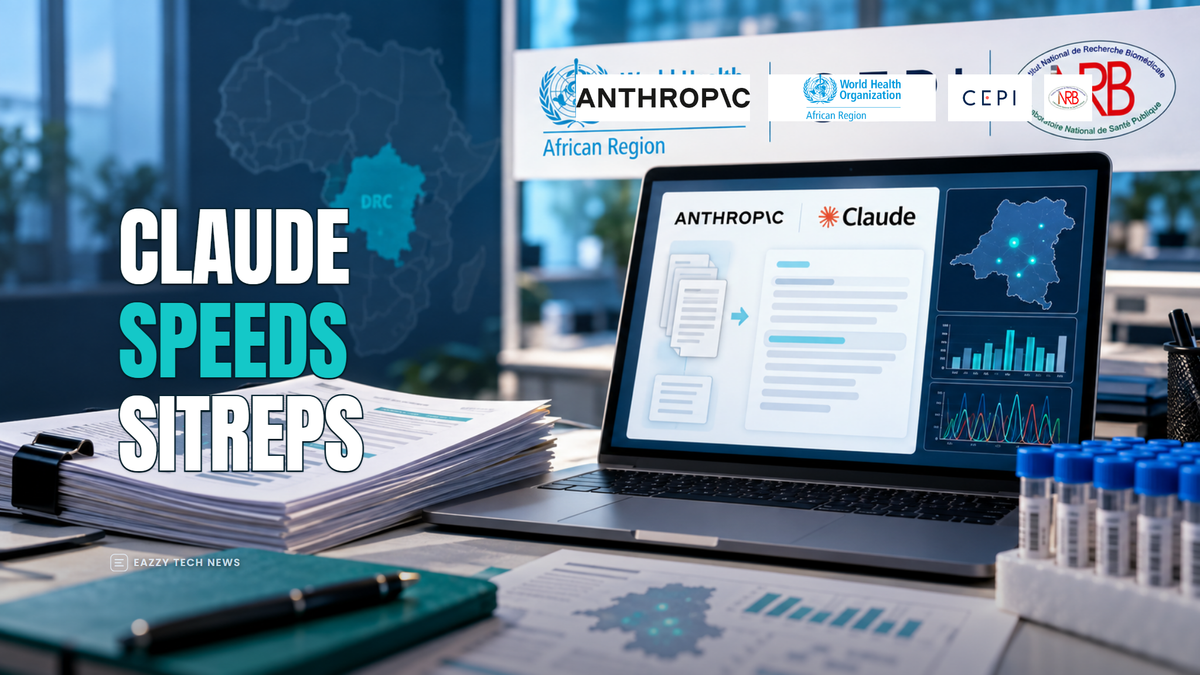
Claude is changing Ebola situation reports in the Democratic Republic of Congo by helping response teams turn field notes, district slide decks and lab data into faster summaries for human officials. Anthropic says the work is already cutting one daily reporting workflow from an all-day process to under an hour, but the company’s own account is clear on the boundary: Claude is organizing and analyzing information, not deciding vaccine science or proving that the outbreak is under control.
The Anthropic feature published on September 22 follows response work around Bundibugyo ebolavirus in eastern DRC. It describes a partnership involving Anthropic teams and organizations including the World Health Organization Regional Office for Africa, the Coalition for Epidemic Preparedness Innovations (CEPI) and the Institut National de Recherche Biomédicale (INRB). The problem is not a lack of frontline information. It is the delay between notebooks, WhatsApp updates, district presentations, lab sequencing and the situation report that guides the next day’s response.
Anthropic’s central claim is operational. WHO AFRO staff built a Claude skill that can extract case and lab numbers from health-zone PowerPoint decks, compare them with the previous day’s report, flag trend changes and summarize district reports. Tendai Muza and colleagues at WHO AFRO are credited in the feature with building that workflow. Anthropic says the team is also using Claude for analysis and disease modeling, including running multiple models to support decisions such as where treatment centers may be needed.
What the system is doing
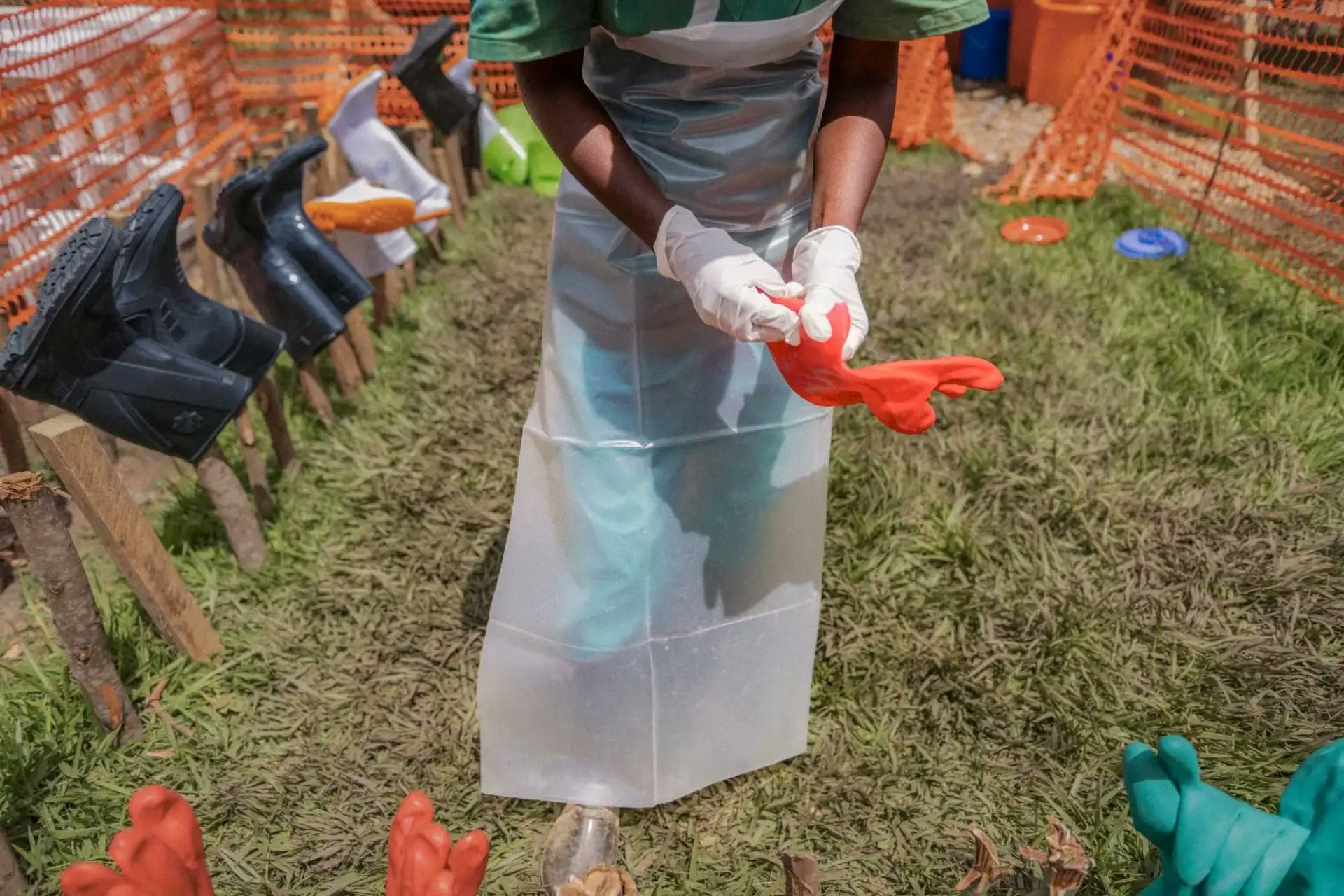
The article is a useful example of artificial intelligence (AI) in public-health operations because the task is narrow and concrete. Claude is being used to pull structured signals out of messy reporting material, compare daily changes, summarize what changed and support expert review. That matters in an outbreak because a situation report is not paperwork for its own sake. It tells responders where the disease is moving, where beds are filling and which health zones need attention first.
Anthropic also says CEPI used Claude to build a dashboard for tracking the work needed to advance vaccine development. Polina Brangel, CEPI’s R&D Data Innovation Lead, is quoted with an important limit: Claude does not decide which sample cohorts should be analyzed to generate evidence about possible Ervebo cross-reactivity against Bundibugyo ebolavirus. Anthropic says Claude organizes complex data so experts can compare proposals faster.
| Workflow | What Claude is reported to help with | Human boundary |
|---|---|---|
| Daily sitreps | Extracts numbers, checks trends and summarizes district reports. | Officials still interpret and act on the report. |
| Vaccine evidence review | Organizes proposal and evidence data for comparison. | Scientific judgment remains with experts. |
| Bioinformatics | Helps assemble viral genomes and build family trees from sequencing data. | Lab and public-health teams validate results and decide response steps. |
Where the science claim stops
The most sensitive part of the story is the vaccine and outbreak context. Anthropic says there is no approved vaccine for Bundibugyo ebolavirus, while Ervebo is used for the Zaire strain. That is background for why evidence review is urgent, not a recommendation for any person or organization. The feature says CEPI invited proposals for potential vaccine candidates and related science, and that Claude helped organize information for human review.
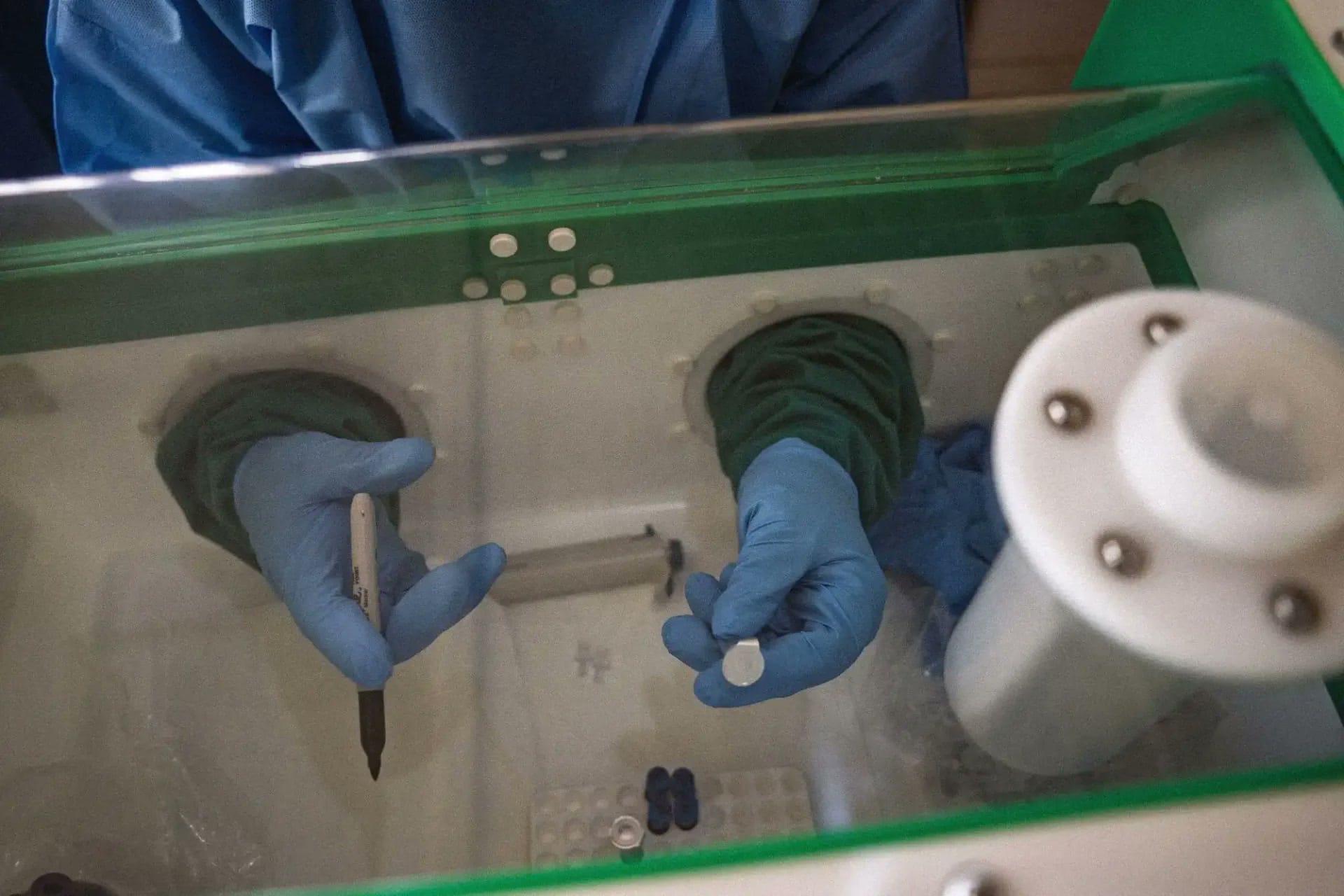
The bioinformatics section is similarly careful. Anthropic says INRB has produced essentially all of the Bundibugyo genomes sequenced from DRC cases in the current outbreak. Claude Science, Anthropic’s AI workbench for scientists, is described as a plain-language way to assemble genomes and build viral family trees, work that otherwise requires specialized command-line expertise. That could lower the barrier for outbreak labs, but the article does not show a controlled comparison proving better epidemiological outcomes.
Why this is more than a demo
Independent context supports the importance of the domain, even if the Claude-specific claims come mainly from Anthropic. CEPI announced on September 16 that it is putting US$3.9 million into Bundibugyo outbreak modeling and analytics projects, including work with INRB, WHO, Imperial College London and Makerere University. That older announcement sits outside the freshness window for a standalone article today, but it shows that real-time epidemic intelligence is an active public-health priority, not a marketing theme invented for the Anthropic feature.
The WHO Africa site also continued to surface Bundibugyo response material during this review, and STAT reported World Health Organization caution that case counts remained high even amid signs of improvement. Those context sources reinforce the same point: faster reporting and modeling can be useful, but they do not make the outbreak solved.
The practical takeaway is that Claude is being positioned as a back-office accelerator for emergency response. It can help compress the time between scattered reports and a usable operating picture. The promise is speed and cognitive relief for expert teams under pressure. The risk is overreading that as medical certainty. A responsible read is that AI can make the public-health information pipeline faster, while accountability, scientific judgment and health decisions remain human work.


Comments ()