
NASA-backed research raises the heat limit for complex life
NASA-supported researchers report a eukaryotic amoeba that can reproduce at 145 degrees Fahrenheit and briefly recover from even hotter exposure.
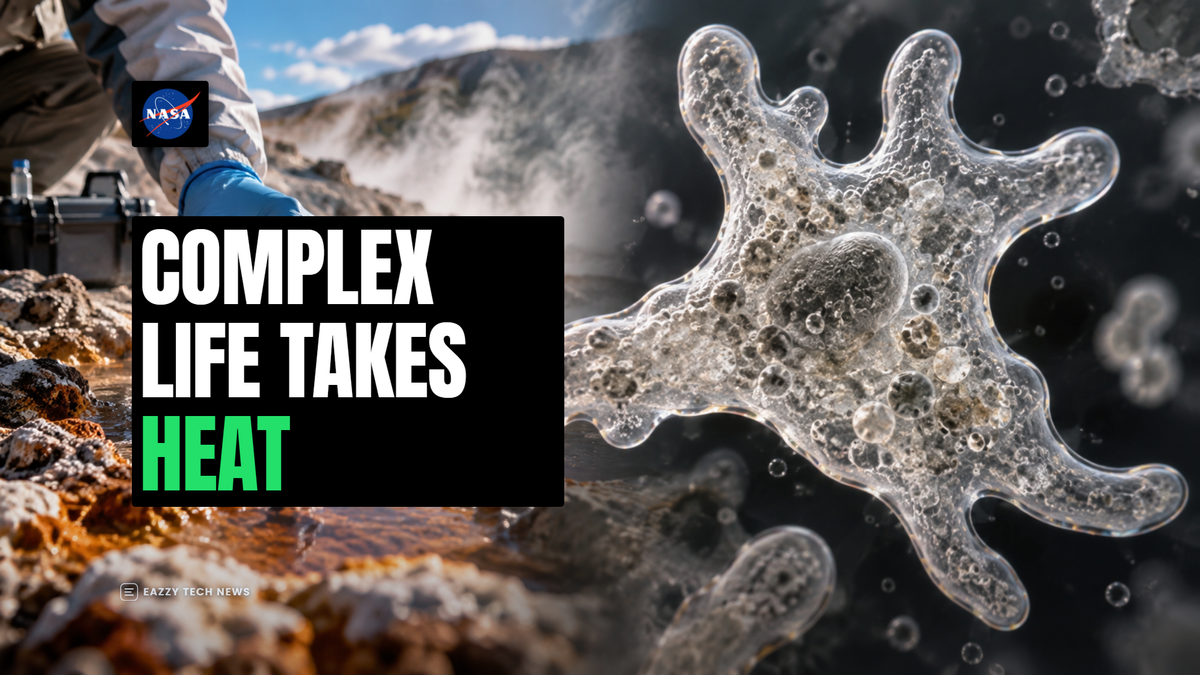
NASA-supported researchers have pushed the known heat limit for complex single-celled life upward with an amoeba that can reproduce at 145 degrees Fahrenheit.
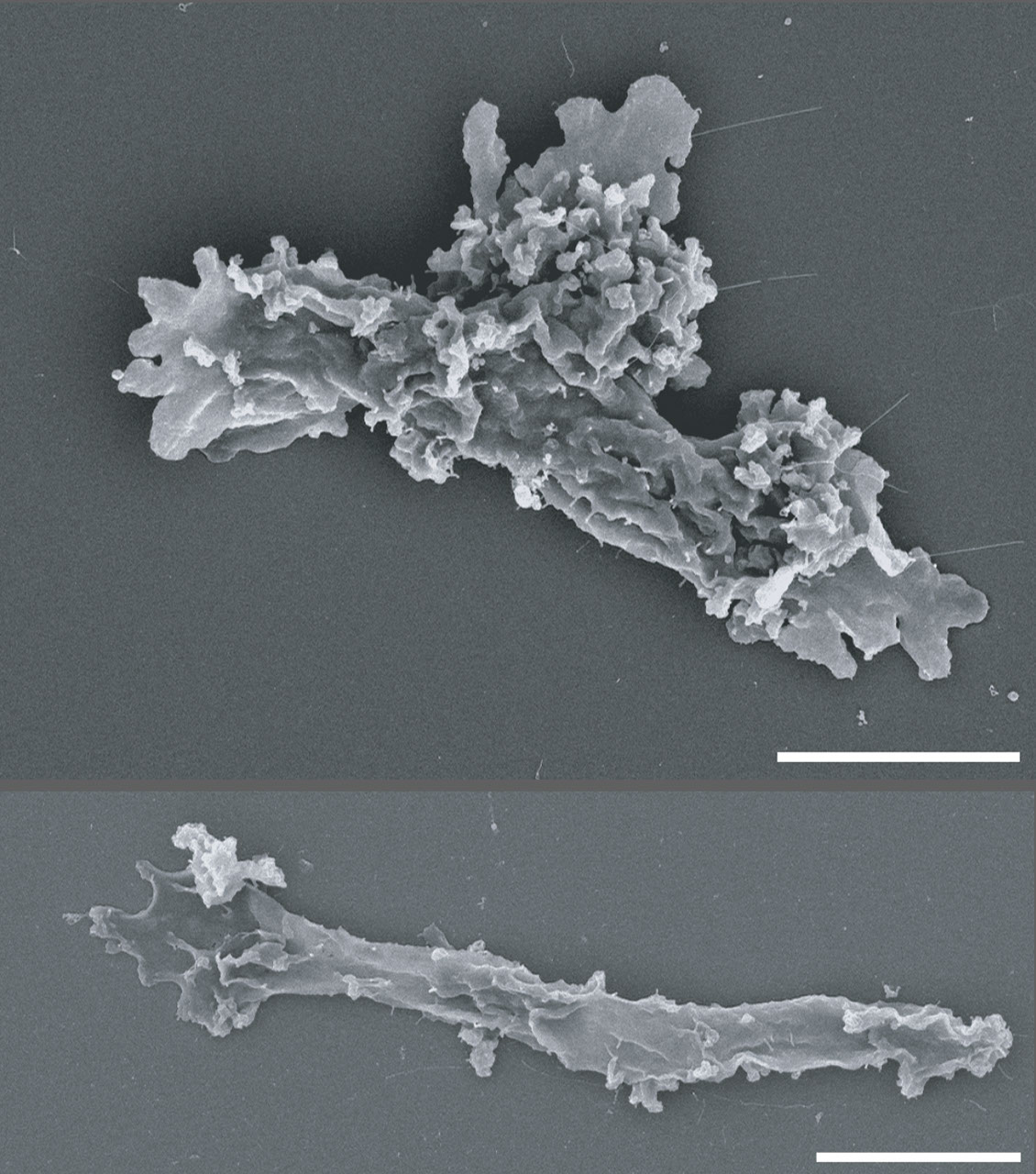
NASA reported on September 22 that scientists studying heated waters in California's Lassen Volcanic National Park observed Incendiamoeba cascadensis, nicknamed the fire amoeba, reproducing by division at 145 degrees Fahrenheit, or 63 degrees Celsius. NASA says that sets a record for the upper temperature limit of known eukaryotes, organisms whose cells have a nucleus.
Why this is a bigger claim than heat tolerance
Microbes that tolerate harsh conditions are not new. The important distinction is cell type. Bacteria and archaea are prokaryotes, meaning their cells lack a nucleus. The fire amoeba is a eukaryote, part of the broad category that also includes animals, plants, fungi and many protists. Eukaryotic cells have more internal structure, so high heat can damage delicate machinery that keeps the cell alive and dividing.
NASA says the amoeba stops reproducing above 145 degrees Fahrenheit but remains active and searches for food up to 147 degrees Fahrenheit, or 64 degrees Celsius. The organism could also recover from five minutes at 158 degrees Fahrenheit, or 70 degrees Celsius. Exposure to 176 degrees Fahrenheit, or 80 degrees Celsius, was too much for it to recover.
What the team found inside the cells
The study matters for astrobiology because it redraws a boundary researchers use when thinking about where complex life can persist. Astrobiology is the study of life in the universe, including how life on Earth survives at environmental edges that may resemble parts of other worlds.
NASA says the team found several possible heat strategies. At high temperatures, some genes became more active, including genes involved in maintaining protein folding. Proteins need the right shape to work; heat can make them unfold. The team also found that some proteins in I. cascadensis have a high positive surface charge, a feature similar to proteins in heat-loving bacteria and archaea.

The practical consequence
The finding does not show that complex life exists elsewhere. It does show that complex cells may remain viable in hotter settings than researchers had confirmed before. That matters when scientists model possible habitable environments, design life-detection studies, or search Earth's geothermal systems for organisms that reveal what biology can withstand.
NASA also notes a biotechnology angle. Extremophiles, organisms that survive harsh temperature, pH, radiation or other conditions, often produce unusual proteins. Those proteins can be useful in industrial or medical settings because they remain stable where ordinary biological molecules fail.
The next step is broader discovery and testing. The team compared genetic information from other studies and found similar DNA in geothermal samples from places including New Zealand and Yellowstone National Park. That suggests related thermophilic amoebas may be waiting to be identified, but it does not yet say how widespread they are or whether they all share the same heat limits.



Comments ()