
NASA moves airline autonomy tools toward real airports
NASA moved air-traffic modernization tools toward FAA and airline testing after runway and routing trials with Boeing-linked partners.
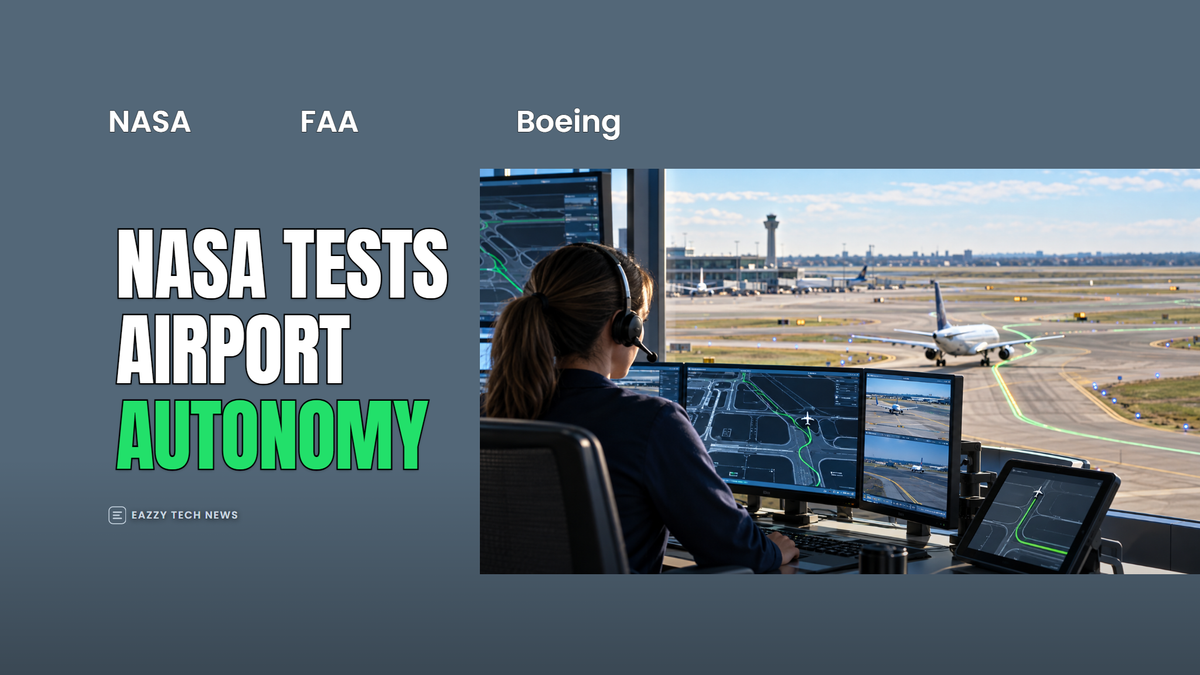
NASA has moved a piece of its air-traffic modernization work from research into the hands of the FAA and airline partners, after field tests at Ames showed how aircraft, vehicles and dispatch systems could share a cleaner digital picture of airport movement.
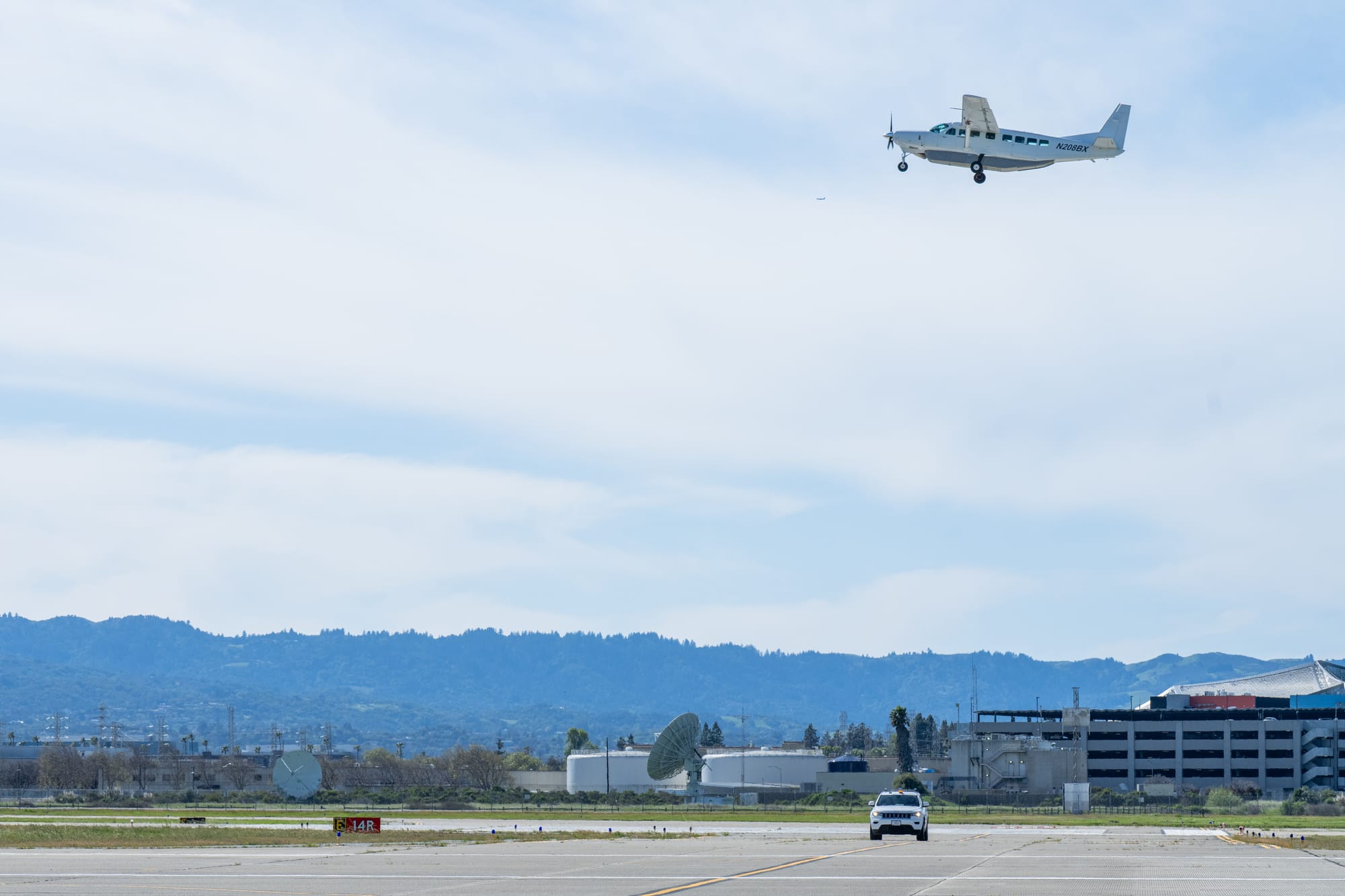
The NASA update says researchers recently worked with Boeing on digital taxi information, safe taxiway and safe runway tests. In one March 2026 test at NASA Ames, autonomous technology identified an incursion risk, such as a runway vehicle or other obstacle, that could affect a landing aircraft.
NASA publishes its media-use terms through its image and media guidelines, which require accurate credit and no implication of agency endorsement.
The practical point is smaller than a full airport autonomy rollout and bigger than a lab demo. NASA says digital taxi guidance was shown directly on cockpit displays or tablets instead of arriving only through voice instructions, while a sensor suite watched for vehicles or aircraft blocking a taxi path or runway. The agency says that setup reduced pilot and controller workload and lowered the chance of verbal errors during surface operations.
NASA also says the routing side of the work has now been transferred to the Federal Aviation Administration, with airlines expected to continue testing. That means the technology is moving into the slower phase that matters most: integration with the National Airspace System, airline operations centers, controller workflows and flight-deck procedures.
Why this matters for passengers
Airport delays are often treated like weather or congestion problems, but a lot of the friction comes from information gaps. Pilots, controllers and dispatchers may be looking at different slices of the same departure or arrival problem, then negotiating changes by voice when conditions shift. NASA's pitch is that shared digital routes and machine-readable intent can make those handoffs less brittle.
In the runway tests, the near-term safety use is straightforward: give pilots and controllers another way to spot a blocked runway or taxi route before a conflict becomes urgent. In the rerouting work, the benefit is more operational: dispatchers and controllers can coordinate route changes with a common digital view, reducing manual back-and-forth when a better departure or arrival path opens up.
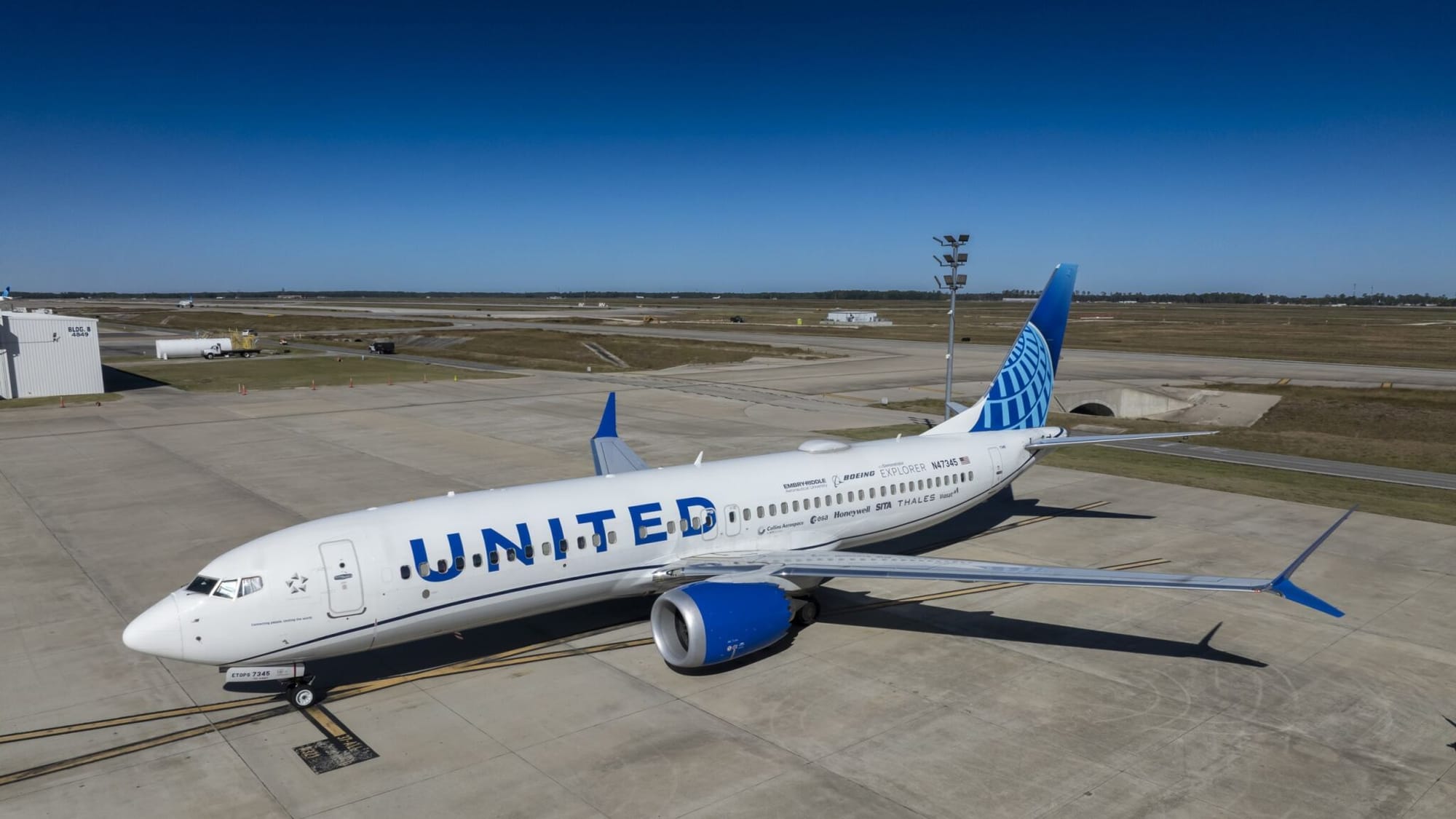
The current NASA article points back to a 2025 collaboration with Boeing, United Airlines and international partners. In that effort, a United Airlines Boeing 737 shared frequent flight information with airline operations centers and air traffic control. NASA used the data to study how often updates should be sent and which details matter for accurate arrival predictions, including on transoceanic flights where handoffs between systems can be messy.
The hard part is certification and adoption
NASA's wording is careful. It says the tools could reduce delays, fuel use and workload; it does not say commercial airports are about to run on autonomous taxi systems. The next test phase will integrate sensor and digital taxi systems into a simulated air-traffic-control environment, which is where the work can be judged against controller timing, failure modes, unusual runway layouts and the realities of mixed aircraft fleets.
That distinction matters because aviation technology earns trust slowly. A cockpit tablet route, a controller display, an airline dispatch tool and a runway sensor system all have to agree under pressure. The software also has to fail predictably when data drops, sensors disagree or an aircraft cannot accept a proposed route.
Still, this is the kind of infrastructure story that can quietly change travel. If the FAA and airlines can turn NASA's research into usable decision-support systems, passengers may never see the software directly. They would see fewer unnecessary waits, fewer radio corrections, cleaner runway awareness and more predictable arrivals. That is usually how aviation software wins: not with spectacle, but by removing small sources of uncertainty from a system that has very little room for ambiguity.

Comments ()